Quick answer:
2 days is enough to see Kyoto's highlights. Day 1: Fushimi Inari, Kiyomizu-dera, Higashiyama, Nishiki Market, and Gion. Day 2: Arashiyama bamboo grove, Tenryu-ji, Togetsukyo Bridge, and Kinkaku-ji. Budget around ¥5,000-8,000/day for transport + admission.
As of May 2026. Temple admission prices are verified but may change without notice.
Kyoto was Japan's capital for over 1,000 years, and it shows. The city has more than 2,000 temples and shrines, 17 UNESCO World Heritage Sites, and some of the most photographed spots in all of Asia. The problem? Trying to see everything in 2 days is a recipe for exhaustion and disappointment.
This itinerary focuses on the essential highlights that first-time visitors should prioritize. Every route has been planned to minimize backtracking, and every price and travel time listed here has been verified. No guesswork.
01Why 2 days in Kyoto is enough
Kyoto's main attractions cluster in a few areas: the eastern hills (Higashiyama), the western district (Arashiyama), and the northern temples. Two full days let you cover the essential highlights without rushing through each one.
Many visitors try to squeeze Kyoto into a single day trip from Tokyo or Osaka. That's a mistake. You'll spend 4-5 hours on trains and barely scratch the surface. Two days gives you time to actually experience the city — walk through temple grounds at a reasonable pace, explore backstreets, and sit down for a proper meal in Gion.
Three days would be ideal if you have the time, letting you add Nara as a half-day side trip or explore the Philosopher's Path. But two focused days cover the must-sees for most first-time visitors.
Figure out how many days you need across all your Japan destinations.
Open Trip Planner →02Getting to Kyoto
Most visitors reach Kyoto from Tokyo by Shinkansen (bullet train). It's fast, comfortable, and straightforward.
From Tokyo
The Nozomi Shinkansen takes approximately 2 hours and 15 minutes from Tokyo Station to Kyoto Station. An unreserved seat costs ¥13,320 one way. Reserved seats cost about ¥13,970. The Nozomi departs roughly every 10 minutes during peak hours, so you don't need to plan around a specific departure.
Important: The Nozomi is not covered by the Japan Rail Pass. If you have a JR Pass, take the Hikari instead — it takes about 2 hours and 40 minutes and is fully covered. Check our JR Pass guide to see whether the pass makes financial sense for your itinerary.
From Osaka
Kyoto is only 15 minutes from Shin-Osaka by Shinkansen (¥1,450) or about 30 minutes by JR Special Rapid train (¥580) from Osaka Station. If you're based in Osaka, Kyoto is an easy day trip — though we recommend staying at least one night to catch the evening atmosphere in Gion.
From Kansai Airport (KIX)
The Haruka Express runs directly from Kansai Airport to Kyoto Station in about 75 minutes (¥3,640 unreserved). This is the most convenient option if Kyoto is your first stop in Japan.
Buy a Subway + Bus 1-day Pass (¥1,100) at Kyoto Station for each day. A single bus ride costs ¥230, so the pass pays for itself after 5 rides — which you'll easily hit on this itinerary. Available at the bus information center right outside Kyoto Station's central exit.
Calculate whether a Japan Rail Pass saves you money on your specific route.
Read the JR Pass Guide →03Day 1 Morning: Fushimi Inari, Kiyomizu-dera & Higashiyama
Start early. This is the most important advice for Day 1. Fushimi Inari and Kiyomizu-dera are Kyoto's two most popular spots, and they get crowded fast. Arriving by 7:00-7:30 AM means you'll have the torii gates and temple grounds mostly to yourself.
Fushimi Inari Taisha (7:00-9:00 AM)
The iconic tunnel of thousands of vermilion torii gates winding up Mount Inari. The full loop to the summit takes about 2 hours, but you can turn around at the Yotsutsuji intersection (about 45 minutes up) for the best views without the full climb.
Take the JR Nara Line from Kyoto Station to Inari Station (5 minutes, ¥150). The shrine entrance is literally across the street from the station — you can't miss it.
Why go early: By 9:00 AM on any day, the lower sections of the torii gate path are packed shoulder-to-shoulder. At 7:00 AM, you'll often have entire sections to yourself. The morning light through the gates is also significantly better for photos.
Kiyomizu-dera (9:30-11:00 AM)
One of Kyoto's most celebrated temples, famous for its massive wooden terrace that juts out over the hillside with no nails used in construction. The views over the city and surrounding hills are spectacular in any season — especially during cherry blossom (late March-early April) and autumn leaves (mid-November).
From Inari Station, take the JR Nara Line back one stop to Tofukuji Station, then transfer to the Keihan Line to Kiyomizu-Gojo Station. From there, it's a 15-minute uphill walk through Chawan-zaka (Teapot Lane), lined with pottery shops and snack stalls.
Don't skip the Otowa Waterfall at the base of the main hall. Three streams of water fall into a pond — each is said to grant a different wish (success, love, longevity). Choose one stream and take a sip. Drinking from all three is considered greedy.
Higashiyama Walk (11:00 AM-12:00 PM)
After Kiyomizu-dera, walk downhill through the beautifully preserved streets of Sannen-zaka and Ninen-zaka. These narrow stone-paved lanes are lined with traditional wooden machiya houses, now home to tea shops, souvenir stores, and cafes. This is one of the most photogenic walks in all of Japan.
Stop for matcha and a sweet at one of the traditional tea houses along the way. The area around Yasaka Pagoda (the five-story pagoda visible from many points along the walk) is particularly atmospheric.
04Day 1 Afternoon: Nishiki Market & Gion
After a morning of temples and walking, the afternoon shifts to food and culture in central Kyoto.
Nishiki Market (12:30-2:00 PM)
Known as "Kyoto's Kitchen," this 400-meter covered shopping street has been operating for over 400 years. More than 100 shops and stalls sell everything from fresh seafood and pickles to Kyoto-specific specialties like yuba (tofu skin) and matcha sweets.
This is your lunch stop. Graze your way through the market rather than sitting down at one restaurant. Try tamagoyaki (rolled omelet on a stick), tako tamago (a whole baby octopus stuffed with a quail egg), and kuromame cha (black soybean tea). Budget around ¥1,500-2,500 for a satisfying market lunch.
From Higashiyama, take Bus 207 to Shijo-Kawaramachi (about 15 minutes, ¥230) and walk north one block to reach the market entrance.
Gion District (3:00-6:00 PM)
Kyoto's most famous geisha district. Walk along Hanami-koji, the main street lined with traditional ochaya (teahouses) where geiko (Kyoto's term for geisha) and maiko (apprentice geisha) entertain guests. In the early evening (around 5:00-6:00 PM), you may spot maiko walking to their evening appointments.
Cross the Shijo Bridge over the Kamo River and explore both sides. The Shirakawa area just north of Shijo-dori is particularly beautiful — a narrow canal lined with willow trees and traditional buildings. It's less crowded than Hanami-koji and arguably more atmospheric.
Dinner suggestion: Gion has excellent restaurants in every price range. For an affordable Kyoto-style meal, look for restaurants serving obanzai — Kyoto-style home cooking with small seasonal dishes. Expect to spend ¥2,000-4,000 per person for a satisfying dinner.
If you still have energy after dinner, walk along the Kamo River. The stretch between Shijo and Sanjo bridges is lively in the evening, with couples sitting on the riverbanks and restaurants setting up riverside dining platforms (noryo-yuka) from May to September.
Many Kyoto market stalls and small restaurants are cash-only. Know how much to carry.
Read the Cash Guide →05Day 2 Morning: Arashiyama bamboo grove, Tenryu-ji & Togetsukyo
Another early start. Arashiyama's bamboo grove is arguably the single most photographed spot in Kyoto, and it gets extremely crowded by mid-morning. Aim to arrive by 8:00 AM.
Arashiyama Bamboo Grove (8:00-9:00 AM)
A towering tunnel of bamboo stalks that creates one of the most otherworldly landscapes you'll ever walk through. The path stretches about 500 meters from the northern edge of Tenryu-ji temple to the Okochi Sanso villa.
From Kyoto Station, take the JR Sagano Line (San-in Line) to Saga-Arashiyama Station (16 minutes, ¥240). The bamboo grove is a 10-minute walk north of the station.
Why go early: By 10:00 AM, the grove is so crowded you can barely walk. At 8:00 AM, the soft morning light filtering through the bamboo canopy is magical and the path is peaceful. This is a non-negotiable early start.
Tenryu-ji Temple (9:00-10:00 AM)
A UNESCO World Heritage Site and the most important temple in Arashiyama. The Sogenchi Garden, designed in the 14th century by the famous monk Muso Soseki, is one of the finest landscape gardens in Japan. The garden borrows the scenery of the Arashiyama mountains as a backdrop — a classic technique called shakkei (borrowed scenery).
The temple's rear exit connects directly to the bamboo grove, so you can visit both seamlessly. Enter through the main gate on the south side for the full experience.
Togetsukyo Bridge & Riverside (10:00-11:00 AM)
The "Moon Crossing Bridge" spans the Oi River at the heart of Arashiyama. The bridge itself is simple, but the setting — with forested mountains rising directly behind it — is stunning. Walk across and explore the south bank for the best photo angles.
The riverside area has small shops and snack stalls. Try yuba croquettes or warabi mochi (bracken starch dumplings coated in kinako powder) from the street vendors near the bridge.
06Day 2 Afternoon: Kinkaku-ji & optional Ryoan-ji
After lunch in Arashiyama (plenty of soba and udon restaurants along the main street), head to Kyoto's northern district for the Golden Pavilion.
Kinkaku-ji / Golden Pavilion (1:00-2:30 PM)
The top two floors of this Zen temple are covered in actual gold leaf, and its reflection in the mirror-like pond in front of it is one of the most iconic images in Japan. No matter how many photos you've seen, the real thing is striking.
From Arashiyama, take Bus 11 or Bus 93 to Kinkaku-ji-michi bus stop (about 40 minutes, ¥230). The walk from the bus stop to the temple entrance is about 5 minutes.
The visitor path is one-way and takes you around the pond from multiple angles. The first viewpoint — directly across the pond from the pavilion — is the classic shot. Your admission ticket doubles as a calligraphy charm (o-fuda), which makes a nice souvenir.
Ryoan-ji (Optional, 3:00-4:00 PM)
Home to Japan's most famous Zen rock garden — 15 stones arranged on raked white gravel. The garden is designed so that from any angle, at least one stone is always hidden from view. It's contemplative, austere, and completely different from every other temple in Kyoto.
Ryoan-ji is about 20 minutes on foot from Kinkaku-ji (or one bus stop on Bus 59). If you're feeling templed-out, skip it — Kinkaku-ji is the higher priority. But if you have the energy, the rock garden is genuinely worth seeing.
After your last temple visit, head back to Kyoto Station by bus (Bus 205 from Kinkaku-ji area, about 45 minutes, ¥230). If you're continuing to Osaka, the JR Special Rapid from Kyoto Station takes about 30 minutes.
In two days, you've covered Kyoto's most important temples, the bamboo grove, the geisha district, a traditional market, and the Golden Pavilion. That's a solid Kyoto experience. If you have a third day, consider a half-day trip to Nara (45 minutes by train) to see the Great Buddha and the friendly deer in Nara Park.
Understand Japan's trains, buses, and IC cards before you arrive.
Read the Transport Guide →07Budget breakdown
Here's what the full 2-day itinerary costs, broken down by category. This covers transport within Kyoto and all admission fees listed in this guide.
| Category | Item | Cost |
|---|---|---|
| Transport | Subway + Bus 1-day Pass (x2 days) | ¥2,200 |
| Transport | JR Nara Line to Inari (round trip) | ¥300 |
| Transport | JR Sagano Line to Arashiyama (round trip) | ¥480 |
| Admission | Fushimi Inari Taisha | Free |
| Admission | Kiyomizu-dera | ¥400 |
| Admission | Tenryu-ji (garden) | ¥500 |
| Admission | Kinkaku-ji | ¥500 |
| Admission | Ryoan-ji (optional) | ¥500 |
| Food | Nishiki Market lunch | ¥1,500-2,500 |
| Food | Other meals (estimate per day) | ¥3,000-5,000 |
| Total | 2-day total (without Ryoan-ji) | ¥11,380-15,880 |
Note: This does not include Shinkansen fare from Tokyo (¥13,320 one way) or hotel costs. For a full trip budget including these, use our budget estimator tool below.
For hotel recommendations and booking tips, see our Japan hotel booking guide — Kyoto Station area is the most practical base for this itinerary.
Include flights, hotels, Shinkansen, food, and activities in one calculation.
Open Budget Estimator →08Pro tips
These are the things that make the difference between a good Kyoto trip and a great one.
- Start at 7:00 AM both days. Kyoto's most popular spots are unbearable by mid-morning. The difference between 7:00 AM and 10:00 AM at Fushimi Inari is the difference between a serene, almost spiritual experience and a crowded photo queue. Set your alarm.
- Buy the Subway + Bus 1-day Pass. At ¥1,100, it covers unlimited bus and subway rides for the day. A single bus ride is ¥230, so the pass pays for itself after 5 rides. Buy it at the bus information center at Kyoto Station.
- Carry cash. Many smaller temples, market stalls, and traditional restaurants in Kyoto are cash-only. Aim to have at least ¥10,000 in cash per day. 7-Eleven and post office ATMs accept international cards. See our cash guide for details.
- Avoid peak seasons if possible. Cherry blossom (late March-early April) and autumn leaves (mid-November) are beautiful but extremely crowded. If you must visit during these periods, arriving at temples before opening time is critical.
- Wear comfortable walking shoes. This itinerary involves 15,000-20,000 steps per day, including uphill climbs at Fushimi Inari and Kiyomizu-dera. Sandals and heels are a bad idea.
- Rent a bicycle for Day 2 afternoon. Kyoto is flat and very bike-friendly. After Arashiyama, renting a bike near Kyoto Station (around ¥1,000/day) is a great way to reach Kinkaku-ji while seeing more of the city. Most rental shops are near the station.
- Don't skip Higashiyama. The walk from Kiyomizu-dera through Sannen-zaka and Ninen-zaka is one of the most memorable experiences in Kyoto — and it's free. Rushing past it to get to the next temple is a common regret.
- Respect the geisha district. In Gion, do not block geiko or maiko for photos, do not chase or touch them, and stay out of private alleyways marked with "No Entry" signs. The city has added barriers and restrictions in recent years due to tourist behavior. Be respectful.
- Temple hours are strict. Most temples close their ticket gates 30 minutes before the posted closing time. Don't plan to arrive at 4:30 PM for a temple that "closes at 5:00 PM" — you might not get in.
- Coin lockers at Kyoto Station. If you're arriving with luggage and checking into your hotel later, use the coin lockers at Kyoto Station (small: ¥400, medium: ¥500, large: ¥700). They fill up by mid-morning during peak season, so stash your bags first thing.
Kyoto rewards patience. The best moments aren't in the guidebook highlights — they're in the quiet back alleys of Higashiyama, the sound of bamboo creaking in Arashiyama at dawn, and the unexpected temple garden you stumble into between scheduled stops. Leave room in this itinerary for spontaneity. Two days is tight, but it's enough to fall in love with Kyoto.
Build a complete day-by-day itinerary for Tokyo, Kyoto, Osaka, and beyond.
Open Trip Planner →Want the exact routes and maps?
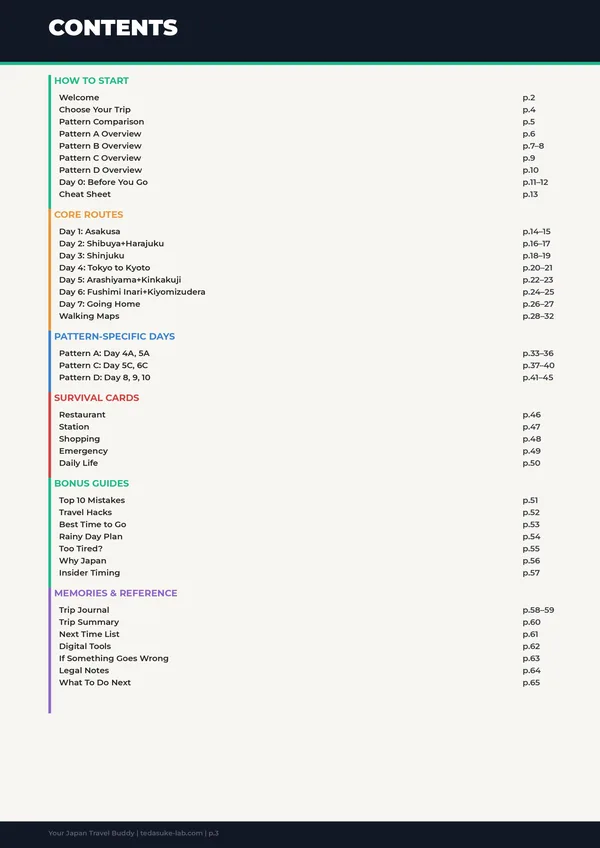
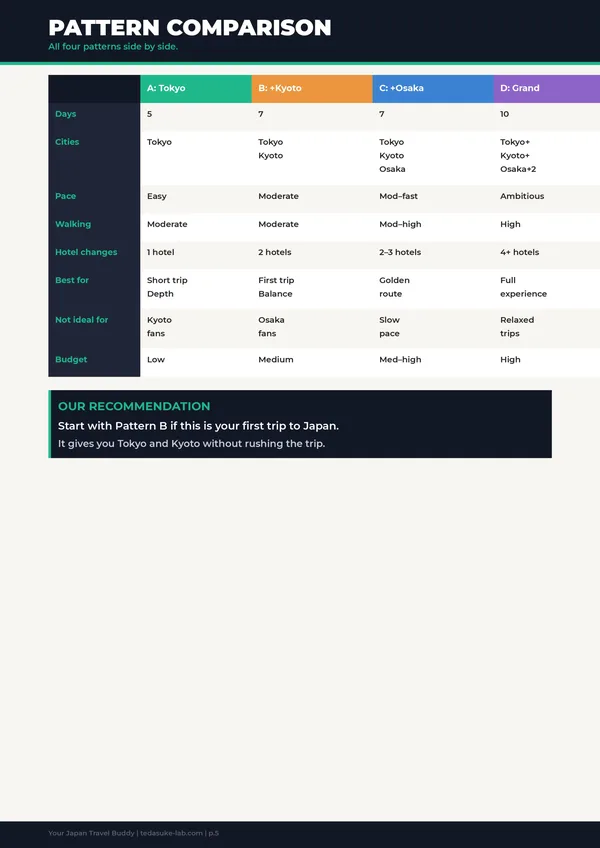
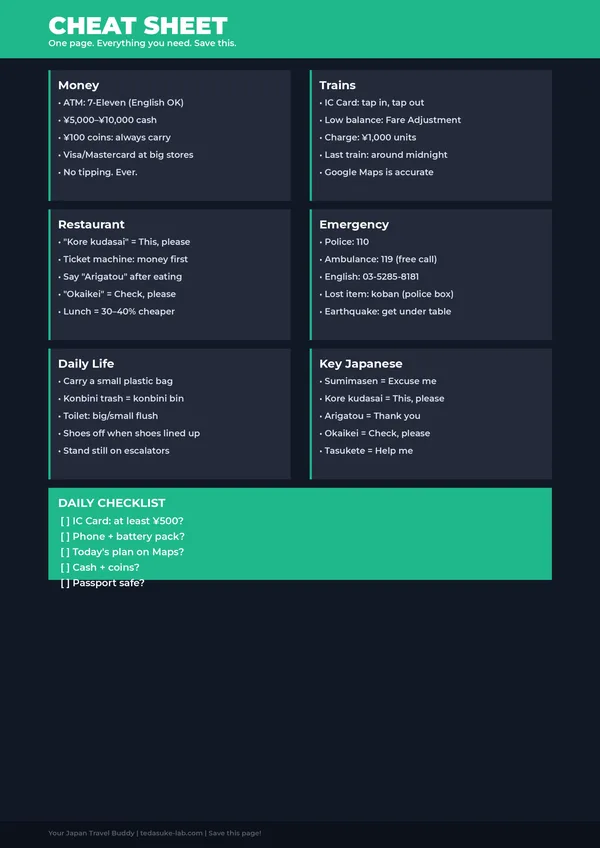
Plan your Kyoto trip with illustrated walking maps and ready-to-follow routes.
See the complete guide →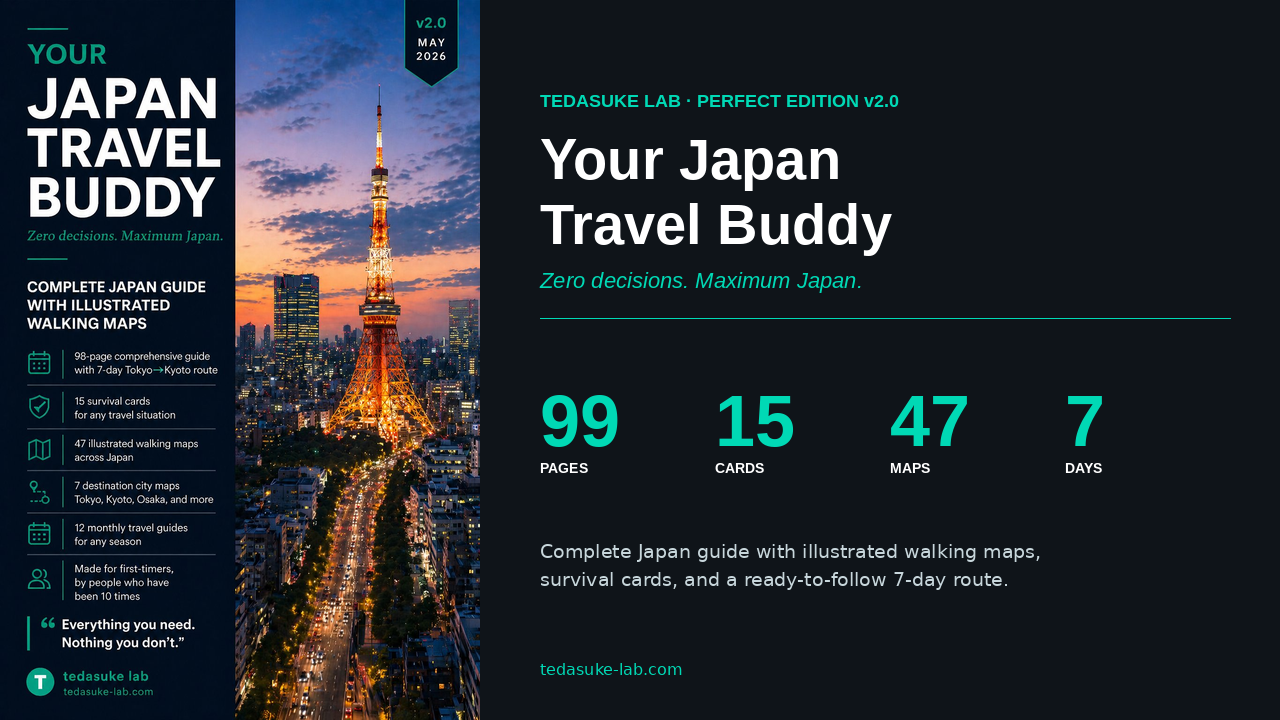

One-time payment · Instant download · Free updates forever