Tokyo 3-Day Itinerary: The Perfect First Visit Plan
東京3日間モデルコース:初めての東京を最高にする
Last updated: April 2026
Duration
3 days
Budget
¥15,000-25,000
per day
Best for
First-timers
Transport
Suica/Pasmo
Three days in Tokyo is tight. You won't see everything — that's not the point. The point is to see enough that you understand why people keep coming back.
This itinerary is designed around geography, not wishful thinking. Each day covers one side of the city so you're not zigzagging across train lines. The pacing is realistic: you'll walk about 15,000-20,000 steps per day, with built-in breaks and flexible spots you can skip if you're tired.
I've also included actual prices, because "affordable" means nothing without numbers.
The east side of Tokyo is where old meets older. Asakusa has temples, Akihabara has electric chaos, and Ueno has some of the best street food in the city. This is the Tokyo that existed before the skyscrapers, and it still has more character than most of what came after.
東京の東側。下町の空気が残るエリアを朝から夕方まで巡ります。
1
Senso-ji Temple, Asakusa
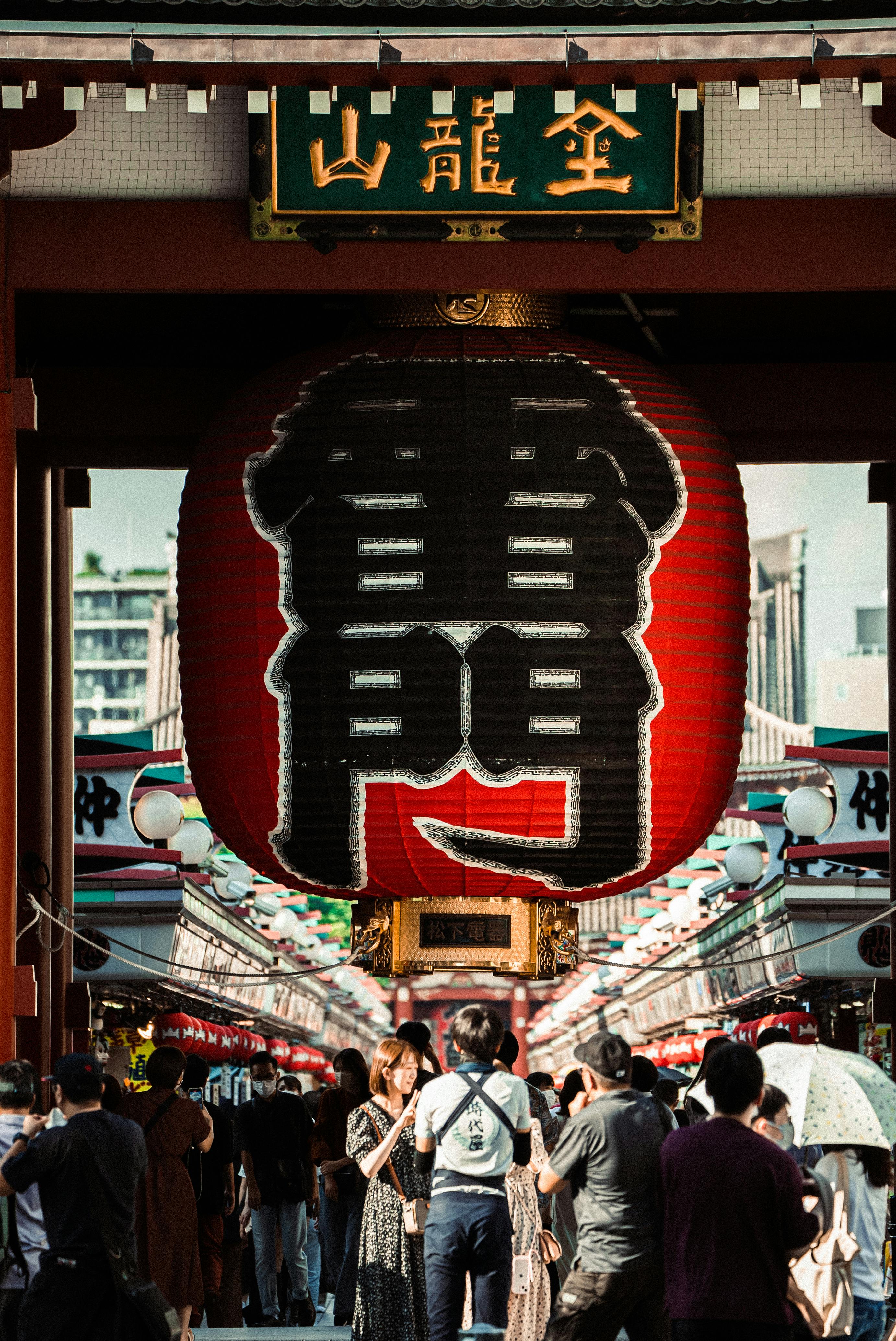
Start early — 8am if you can manage it. Senso-ji is Tokyo's oldest temple and it's genuinely impressive, but by 10am it's packed with tour groups and selfie sticks. At 8am you'll have the Kaminarimon gate and Nakamise-dori shopping street mostly to yourself. Walk the full length of Nakamise for souvenirs (prices are tourist-level but reasonable — ¥300-1,000 for most items). The temple itself is free.
浅草寺・仲見世通り。朝8時がベスト。10時には混雑します。
2
Tokyo Skytree (optional)
Only if the weather is clear. Seriously — the ¥2,100-3,100 ticket is a waste if you can't see past the first few blocks. On a clear day, the views are stunning and you can see Mount Fuji. On a cloudy day, skip it entirely and spend more time in Asakusa instead. The walk from Senso-ji takes about 15 minutes.
天気が良ければスカイツリーへ。曇りならスキップ。晴れなら富士山も見えます。
3
Akihabara
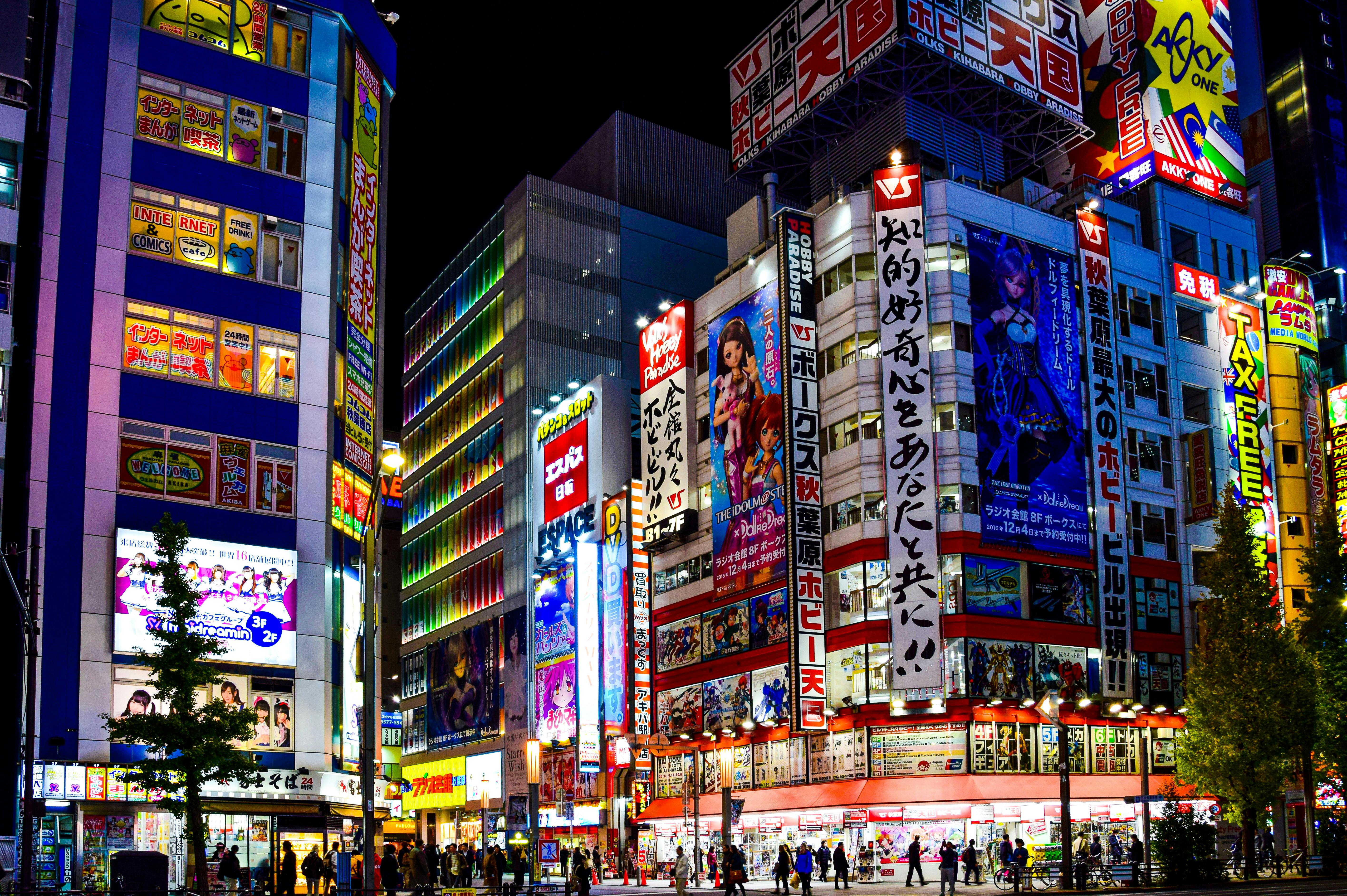
Akihabara's reputation as "Electric Town" is outdated. It's really Anime/Gaming/Subculture Town now, and it's one of the most visually overwhelming places in Japan. Multi-story anime shops, retro game arcades with cabinets from the '80s, maid cafes (worth experiencing at least once for the sheer weirdness), and manga stores with floors dedicated to single genres. Even if you have zero interest in anime, the sensory overload alone makes it worth visiting. Budget 2-3 hours minimum.
秋葉原。アニメ・レトロゲーム・メイドカフェ。ファンでなくても面白い街です。
4
Ueno
End the day at Ameyoko market — a chaotic, narrow shopping street under the train tracks where vendors shout prices and you can eat your way through seafood, takoyaki, fruits on sticks, and cheap imported snacks. It's loud, crowded, and completely unlike the "polite Japan" stereotype. If you need a breather, Ueno Park is right there with museums and ponds.
アメ横で食べ歩き。上野公園で休憩も。にぎやかで楽しい。
LUNCH TIP
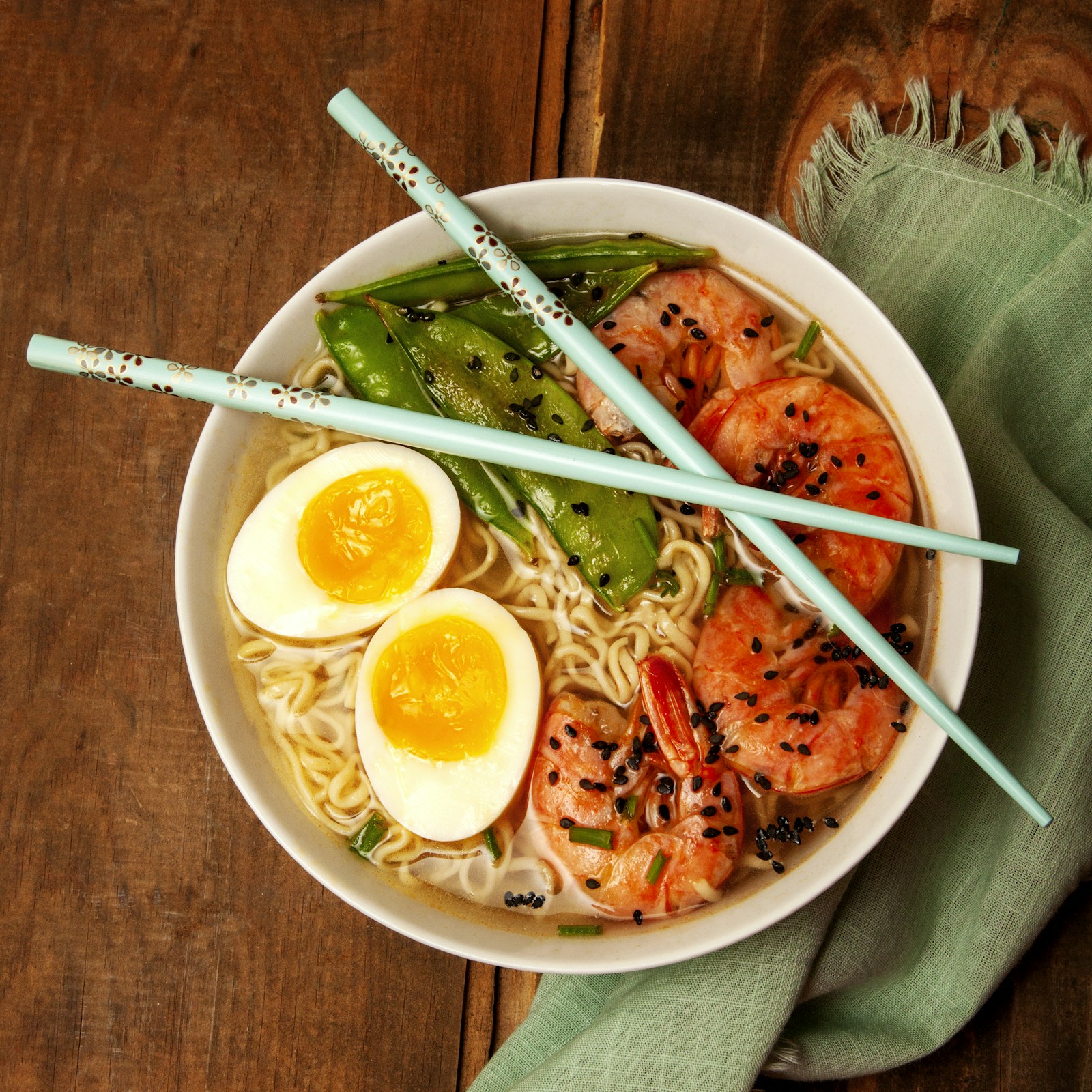
Ramen in Akihabara (¥900-1,200). There are dozens of shops — look for ones with a ticket vending machine outside the door. That's a good sign, not a tourist trap. Or eat street food at Ameyoko: ¥300-500 per item.
DINNER TIP
Izakaya near Ueno or Asakusa (¥2,000-3,000 with drinks). Look for places with red lanterns outside and Japanese-only menus — these are almost always better and cheaper than English-menu tourist spots.
DAY 2Modern Tokyo — West Side
If Day 1 was Tokyo's history, Day 2 is its present and future. The west side is where fashion, youth culture, and corporate ambition collide. Harajuku is teenage chaos, Shibuya is the intersection every movie uses as a shorthand for "Tokyo," and Shinjuku at night is neon-drenched sensory overload.
東京の西側。ファッション・渋谷のスクランブル・新宿の夜。現代の東京を体感する1日。
1
Meiji Shrine, Harajuku
A massive Shinto shrine surrounded by 170 acres of forest — in the middle of one of the densest cities on Earth. The walk through the towering torii gate and tree-lined approach is genuinely peaceful. Free to enter. Go in the morning before the Harajuku crowds materialize. Allow 45-60 minutes for the full walk and shrine visit.
明治神宮。都会の中の森。朝の静けさが最高です。入場無料。
2
Takeshita Street & Cat Street
Harajuku's two faces. Takeshita Street is a narrow pedestrian lane packed with crepe shops, wild street fashion stores, and gachapon machines. It's loud, colorful, and aggressively youthful. Cat Street, running parallel, is the opposite: curated vintage shops, specialty coffee, and small designer boutiques. Do both — they're five minutes apart and tell completely different stories about Japanese fashion culture.
竹下通り(カオス)とキャットストリート(おしゃれ)。両方歩くべし。
3
Shibuya Crossing & Shibuya Sky
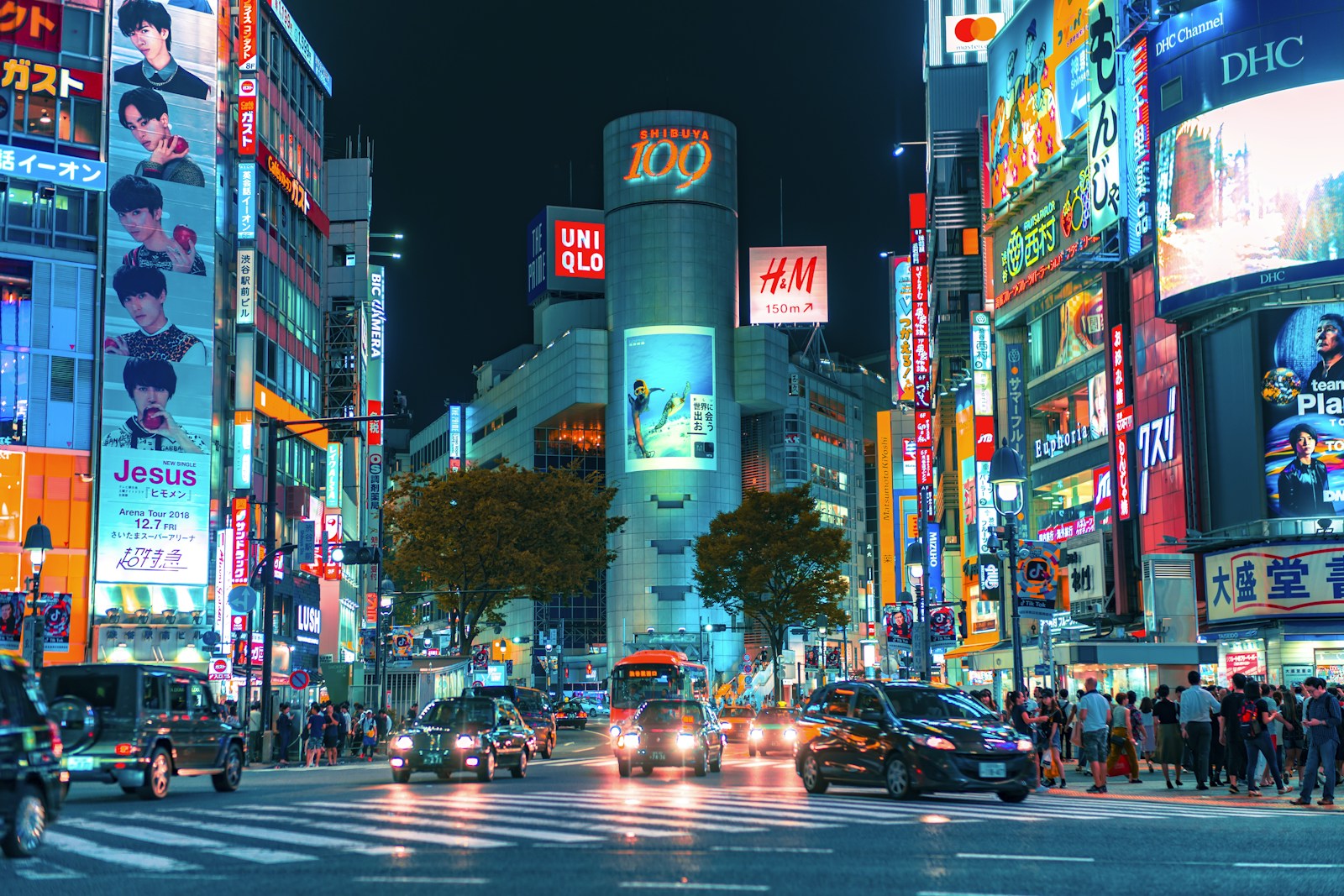
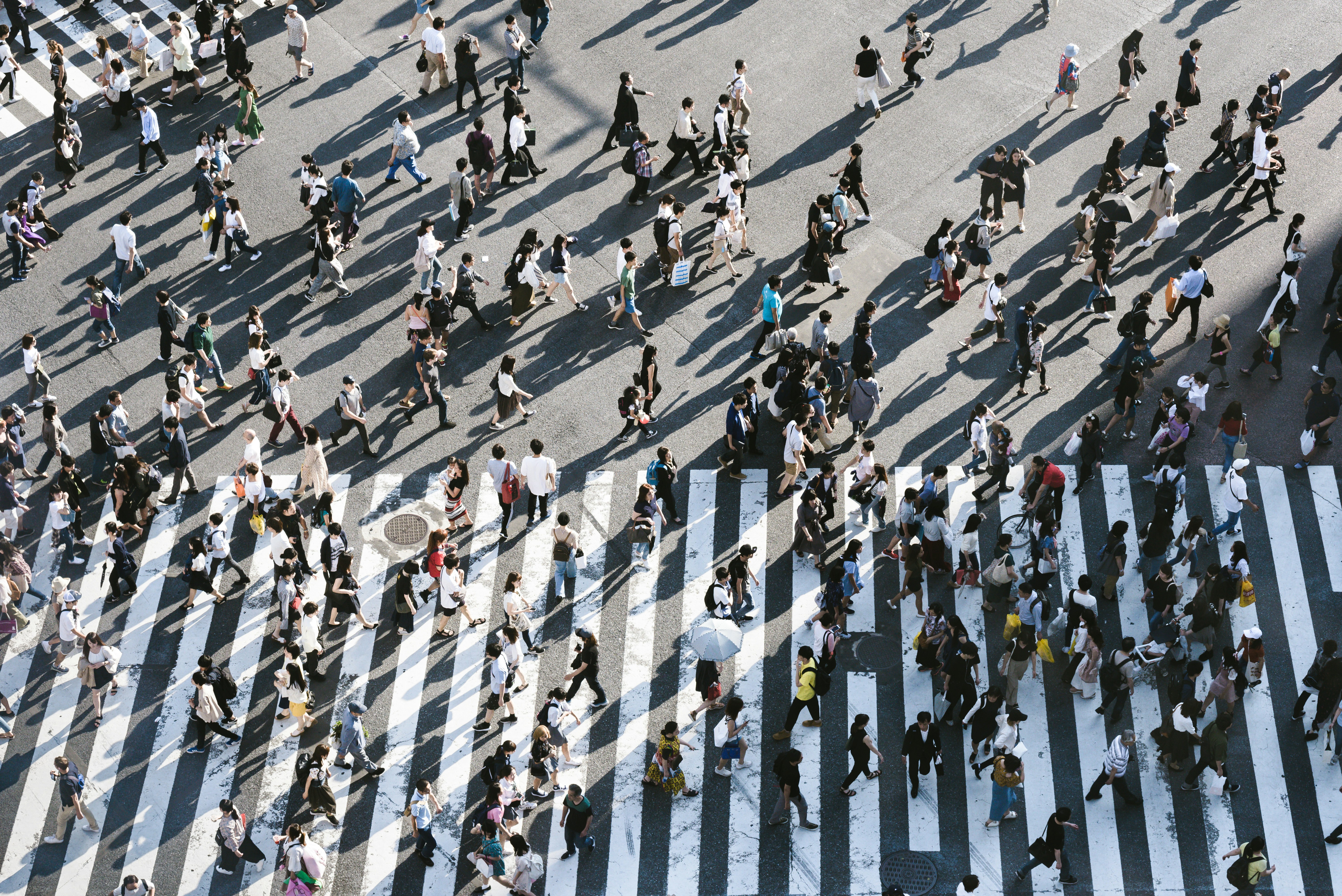
Yes, the crossing is worth seeing. Stand at the Starbucks corner window or the new Shibuya Scramble Square observation deck for the best angle. Speaking of which — Shibuya Sky (¥2,000) is, in my opinion, a better observation deck than Tokyo Skytree. It's open-air, the 360-degree city views are incredible, and at sunset the entire city turns golden. Book tickets online to skip the line.
渋谷スクランブル交差点。渋谷スカイは街全体を見渡せる。夕日の時間帯がおすすめ。
4
Shinjuku
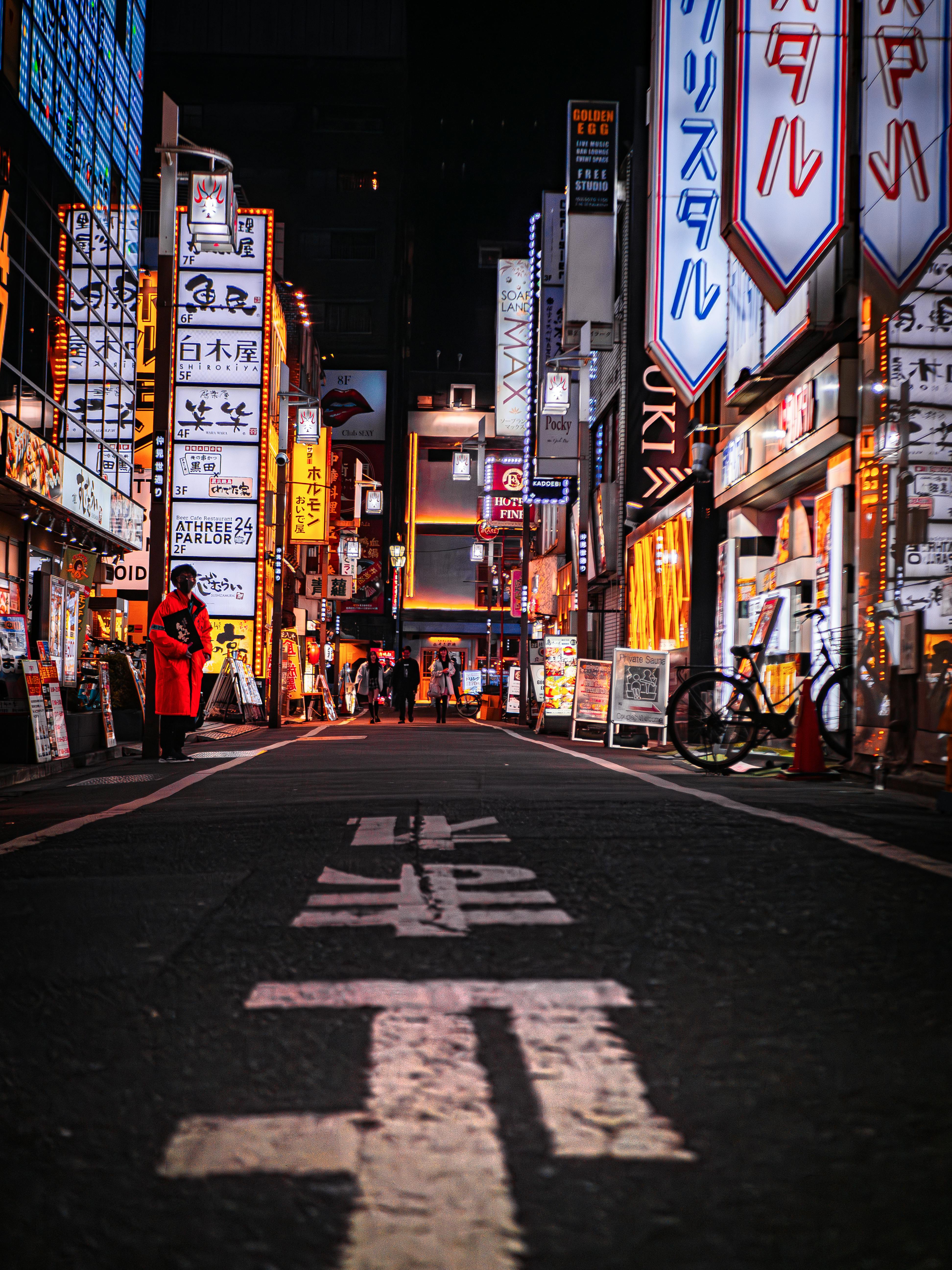
Evening Shinjuku is where your night begins. Three options depending on your mood: Golden Gai — a cluster of 200+ tiny bars, each seating 6-8 people, in a narrow alley network. Some have cover charges (¥500-1,000), most welcome solo travelers and tourists. Kabukicho — Tokyo's entertainment district. Neon signs, noise, Robot Restaurant-style madness. Walk through it even if you don't go in anywhere. Omoide Yokocho ("Memory Lane") — a smoky row of yakitori stalls under the train tracks. Grab a seat at the counter and point at what looks good.
新宿。ゴールデン街で一杯、歌舞伎町でネオン散歩、思い出横丁で焼き鳥。
LUNCH TIP
Conveyor belt sushi in Shibuya (¥1,500-2,500). Chains like Genki Sushi or Sushiro are genuinely good — this isn't bottom-tier sushi by any means. Touch-panel ordering, no Japanese required.
DINNER TIP
Golden Gai bar hopping (¥1,000-2,000 per bar including a drink) + yakitori at Omoide Yokocho (¥1,000-2,000 for 5-6 skewers and a beer). Total evening: ¥2,000-4,000.
DAY 3Your Pick — Culture or Contrast
Day 3 is a choose-your-own-adventure. Both options are excellent and show you a side of Tokyo that most 3-day itineraries miss entirely. Pick based on what you're in the mood for.
3日目は2つのプランから選択。どちらも王道ルートでは出会えない東京を見せてくれます。
Option A: teamLab + Odaiba (Digital Art & Bay Area)
Best for: art lovers, families, Instagram, rainy days
1
teamLab Borderless (Azabudai Hills)
One of the most visually stunning things you'll experience in Tokyo. Immersive digital art installations that react to your movement. Book tickets in advance — they sell out, especially on weekends. Go in the morning when it's least crowded. Allow 2-3 hours. Tickets: ¥3,800 adults.
2
Odaiba
A man-made island in Tokyo Bay. The life-size Unicorn Gundam statue outside DiverCity mall is worth seeing even if you don't know what Gundam is (it's 20 meters tall and transforms on a schedule). The bay views are nice, and there are enough malls and arcades to fill an afternoon. Not Tokyo's most authentic neighborhood, but fun.
3
Tsukiji Outer Market
The famous inner fish market moved to Toyosu in 2018, but the outer market is still very much alive and arguably more useful for visitors. Fresh sushi, tamagoyaki (sweet egg omelet), grilled seafood on sticks, and matcha treats. Great for a late lunch. Most stalls close by 2-3pm, so plan accordingly.
Option B: Shimokitazawa + Yanaka (Local Tokyo)
Best for: vintage shopping, local vibes, photography, people who've "done" Shibuya-style Tokyo
1
Shimokitazawa
Tokyo's best neighborhood for vintage clothing, vinyl records, independent cafes, tiny live music venues, and the kind of effortless cool that Harajuku tries too hard to manufacture. This is where Tokyo locals in their 20s and 30s actually hang out on weekends. No tourist buses, no selfie crowds — just a genuinely excellent neighborhood. Spend the morning wandering and shopping. Dozens of vintage shops with prices from ¥500 to ¥5,000.
2
Yanaka
Old-town Tokyo. While most of the city was rebuilt after WWII, Yanaka survived and still has wooden buildings, narrow lanes, and neighborhood cats lounging on walls. Walk through Yanaka Cemetery (it's peaceful, not morbid), explore the temple-lined streets, and end at Yanaka Ginza — a charming old shopping street with small food stalls and family-run shops. Feels like stepping back 50 years.
3
Tokyo Station
End your trip at Tokyo Station for last-minute souvenir shopping. The underground shopping areas (especially Tokyo Character Street and Gransta) have an absurd selection of sweets, snacks, and region-specific omiyage that you can't find elsewhere. Perfect for picking up gifts right before you head to the airport.
04Budget Breakdown
Here's what 3 days in Tokyo actually costs, per person. These ranges assume you're not sleeping in a park or eating at Michelin 3-star restaurants — just the normal spectrum of how real visitors spend money.
東京3日間のリアルな費用。宿泊費は別途。
Item
Budget
Mid
Comfortable
Transport (3 days)
¥3,000
¥4,500
¥6,000
Food (3 days)
¥6,000
¥12,000
¥21,000
Activities
¥2,000
¥5,000
¥10,000
Total (3 days)
¥11,000
¥21,500
¥37,000
The "budget" column assumes you eat at convenience stores and ramen shops, skip paid observation decks, and stick to trains. "Mid" means a mix of sit-down restaurants and casual spots, one or two paid attractions, and maybe an occasional taxi. "Comfortable" means you eat wherever looks good, do all the activities, and never worry about the price of a drink.
These totals don't include accommodation. Budget a separate ¥4,000-8,000/night for hostels, ¥10,000-18,000/night for business hotels, or ¥20,000+/night for nicer hotels.
05Practical Tips
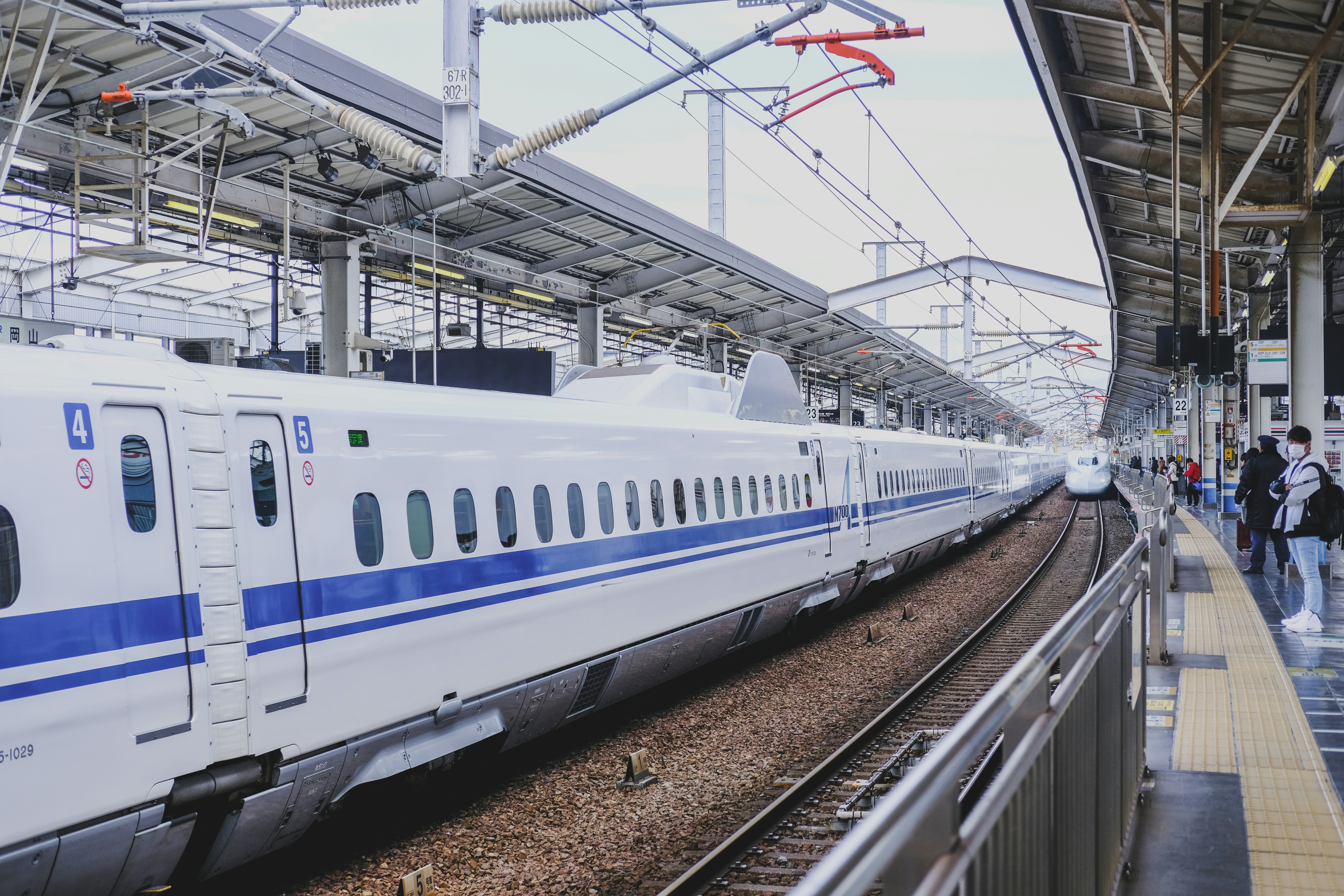
Buy a Suica or Pasmo IC card at the airport. These rechargeable transit cards work on every train, bus, and subway in Tokyo. Also accepted at convenience stores and vending machines. It's the single most useful thing you'll carry. Not sure which one? Read our Suica vs Pasmo comparison. (Short answer: it doesn't matter.)
Coin lockers are everywhere — use them. Major stations have coin lockers in multiple sizes (¥300-700 per day). Stash your bag in the morning, explore hands-free, and pick it up at night. This is especially useful on Day 3 if you're checking out of your hotel.
Convenience stores are your best friend. 7-Eleven, Lawson, and FamilyMart aren't just for snacks. Onigiri (¥120-180), bento boxes (¥400-600), and even hot meals are genuinely good — sometimes better than what you'd get at a restaurant back home. They also have ATMs that accept foreign cards.
Google Maps works perfectly in Tokyo. Train routing, walking directions, even indoor station maps. Download offline maps for your area just in case your data cuts out underground, but most train stations have WiFi now.
Carry some cash. Most places accept credit cards now, but small izakayas, vending machines, coin lockers, and temple donations are still cash-only. ¥5,000-10,000 on hand is plenty. For a deeper look at how cash works in Japan, see our Japan cash guide.
THE MOST IMPORTANT TIP
Don't over-schedule. This itinerary has built-in flexibility for a reason. Some of the best moments in Tokyo happen when you wander into a side street, find a tiny ramen shop with four seats, or stumble into a shrine you've never heard of. Leave room for that.